

Just Dixie
For the woman who named herself, and to all the women who have carried their fire quietly.

Yesterday morning, I walked out into the yard, and overnight the violets had pushed themselves up and out of the cold soil. A few tulips decided to bloom as if they decided to rebel against the cold Maine winter that is still hanging on with one finger. I stood there, and my first instinct, before I even thought about it, was to reach for my phone to call her. It’s what we did every spring, when the first buds began to pop open.
“The tulips are in bloom, Mom!” and she’d rush to her own window to see what had decided to join her garden party as well.
She would have loved this. She would have needed to know.
That reflex still comes. Three years later, it still comes. There is an ache underneath it that I don’t have language for, and I’m not sure I ever will.
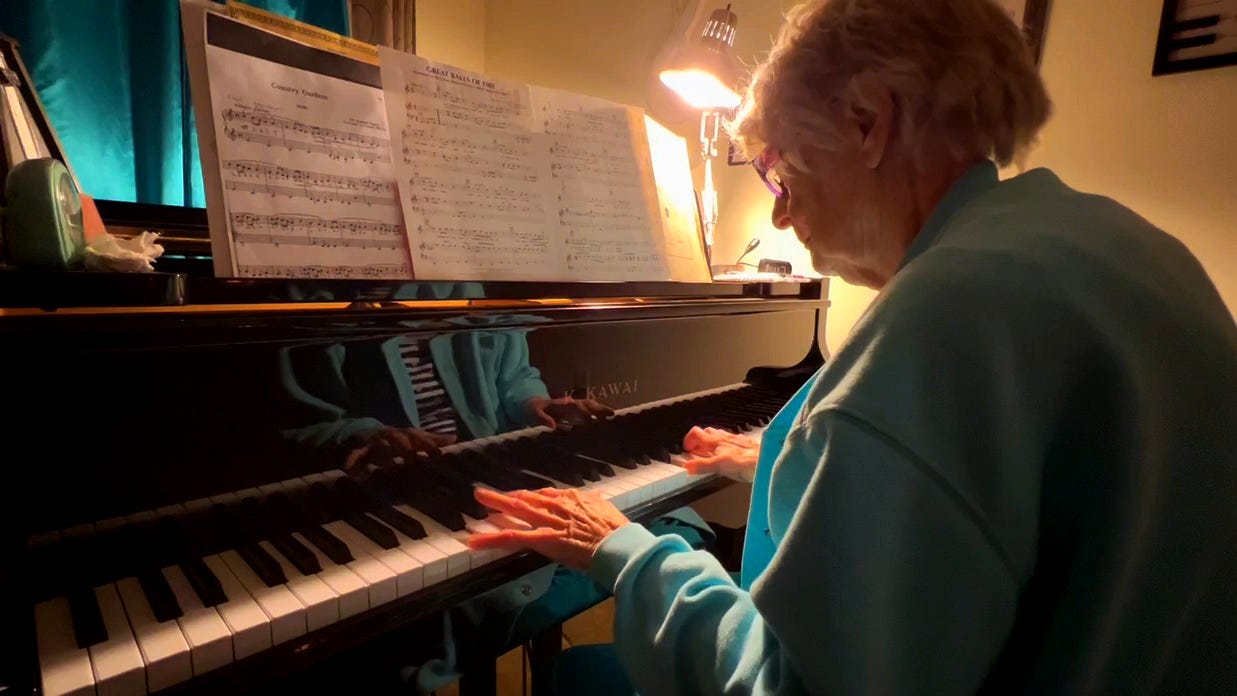
My mother was a pianist. Her mother before her was a piano teacher with autographed programs from Horowitz and other famous composers, tucked in a drawer like sacred things. Music ran through the women in my family like a river that nobody dammed.
But here’s the thing about my mom and music. She didn’t like to play in front of people. Too exposed. Too seen. So my siblings and I learned early to hide on the stairs, perfectly still, barely breathing, just to hear her. Usually, one of us accidentally readjusted our position on step three. Step three always creaked. And the moment she sensed us, she’d stop.
And from the stairs, we heard her play all the great classics – Beethoven, Mozart - but my favorite was “Great Balls of Fire” because she played it like she was trying to set the house on fire. Looking back on it now, there is no way she could have thought no one would hear her. Great Balls of Fire made the walls shake. But still, we pretended we didn’t know she was playing, we kept her secret.
That image has never left me. All that power. All that fire. Released only when she thought nobody was watching.
That was my mother. That was also her life.
Before Ohio. Before any of it.
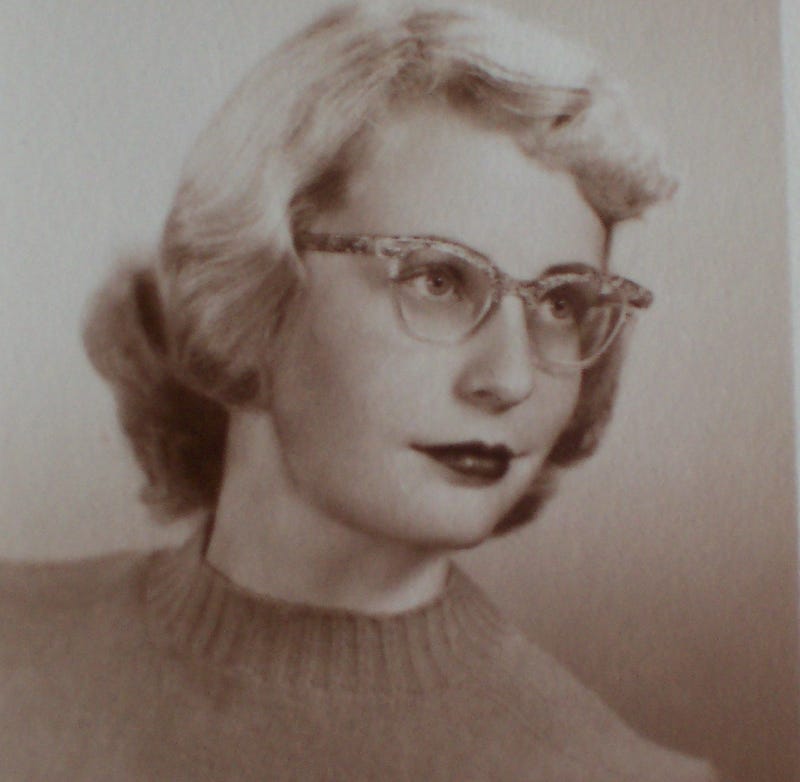
She was a wild child, with blonde hair and deep blue eyes, who grew up in Southern California in the 40s and 50s and went to the roller rink every Friday night just for the chance to skate with the boy she had a crush on, Lonnie.
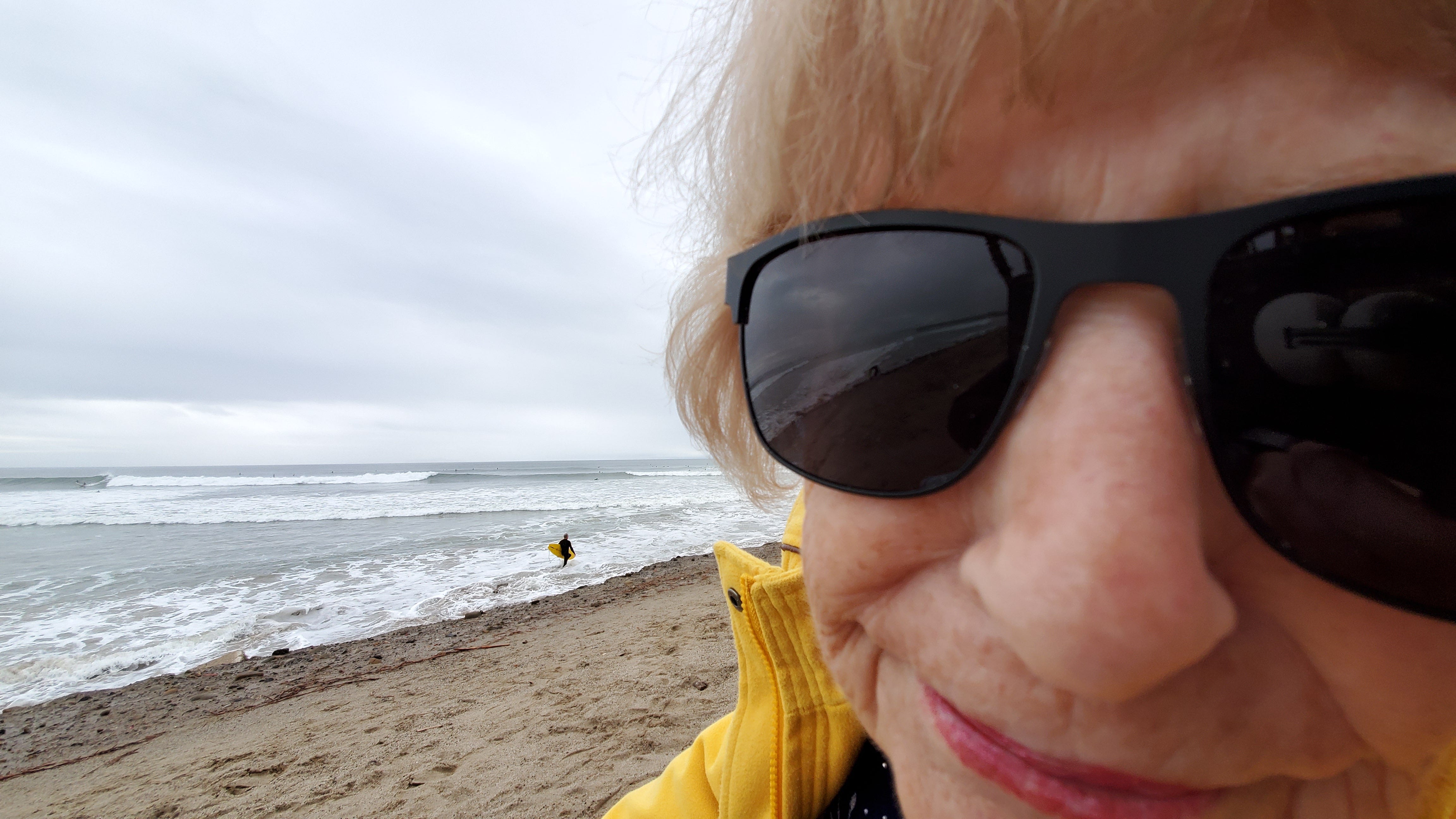
On weekends, she sat on the boardwalk at Surfers Point to watch the “good-looking boys on their surfboards.” She skipped school when she felt like it. Stayed out late whenever she could get away with it. At heart, she was a rebel. One morning, she walked into the kitchen with her hair dyed green just to see what her mother would do. My grandma looked up from the eggs and said, “Wow, honey, what a lovely shade of green!” Deflated by the lack of shock value, she went to school with green hair anyway.
She loved Elvis Presley, probably more than she loved my father. She had every record he ever made, posters of him on her walls. That undying love never yielded. I still have her Elvis coffee mug that she kept on her desk, full of pens.
Her parents didn’t know what to do with her. But God, they loved her. They would have moved mountains for their little girl.
At 18, she ran away to San Francisco. That’s where the story changed. A man, my father, who made her promises, and she believed them. He was four years older than her, in the Navy, traveling around the world, but they had fallen in love that weekend, and she promised to return to Ventura to wait for his return.
And he did return, married her, and despite her pleas to not leave California, the place that echoed her rambunctious spirit, he begged her to go with him to Ohio, “just until we can get on our feet, then we’ll return to the beach. I promise.”
I never knew if she truly believed him, or if she was just too scared of losing love if she had pushed back even slightly, but they went, and in 1958, he moved them to a small, rural farmland town surrounded by cornfields and lifeless people.
And that is where the dimming began.
Here is what the world does to
women who burn too bright.
It doesn’t put the fire out. It just keeps reducing the space the fire is allowed to occupy. A little smaller here. A little quieter there. You’re a wife now. A mother. You’re Mrs. Walker.
You have a role, and the role has edges, and you are expected to stay inside them.
As a kid, I didn’t have the words for what I could feel, but I knew my Mom was deeply unhappy. Her role was simple – be a housewife. Take care of the kids. Cook dinner. Don’t talk too much, don’t ask for too much. She developed a love for reading; she’d lose herself in story after story, novels piling up on the bookcase. I wonder now if that was her way to escape the world she had become trapped in.
Year after year after year. The promise of returning to California grew smaller and smaller.


She tried to leave once. Went back to California after my grandfather died, back to the light and the ocean, and somewhere in that warm, salty air, she remembered. She wrote home and said she’d return to Ohio only to pack, and that she would be taking me back to California with her.
I was elated. You see, I am very much my mother’s daughter – a rebel at heart, creative and salty, who bends the rules, and has a deep love for a vibrant life. Together, we were the team. And the two of us in California was magical. It is the only time in my childhood that I have 100% complete recollection of every single thing – the way our apartment smelled, how the woman across from us, Bunny, would sing every morning. The way my Mom lit up whenever our feet hit the sand. I had never seen her happier.
But there is an unspoken “rule” that seeps out when women attempt to break out of the box designed to keep them subservient. “You won’t make it.” “You can’t do this without your husband supporting you.” How do you expect to take care of yourself AND Dakota?”
My Dad would call her almost daily, just to remind her who held the reins and that she was out of line, and she needed to come home immediately. Ultimately, she caved. She couldn’t earn the same income as her male counterparts; even in 1982, certain assumptions were made about women who left their husbands.
Twice in her life, she ran. Twice, the same hands called her back.
Sometimes our lives move in spirals. Sometimes, at the request of the same hands that attempt to strangle the life-force out of us.
So she returned to the bleak landscape of Ohio. And for almost 35 years, she shrank down into the labels other people pressed onto her. Wife. Mother. The woman with the man’s name. The woman who tried to leave, but failed.
But I want you to understand something about my mom, about Dixie. The fire didn’t go out.
The rebel inside her made her mark in small ways. She wore lime green Converse tennis shoes covered in sequins with a bright yellow coat and a purple blouse, and she’d strike a pose and laugh at herself. She planted everything in that garden, the expensive ornate blooms down to the wild goldenrod and black-eyed Susans she had dug up on the roadside. Birdfeeders everywhere.
Dirt under her fingernails, and for hours she would be in her garden planting her soul. You could not drag her inside. She wrote handwritten cards to everyone she knew, and even to those she didn’t know but knew were shut-ins. She understood that being seen by someone who loves you or sees you is its own kind of medicine.
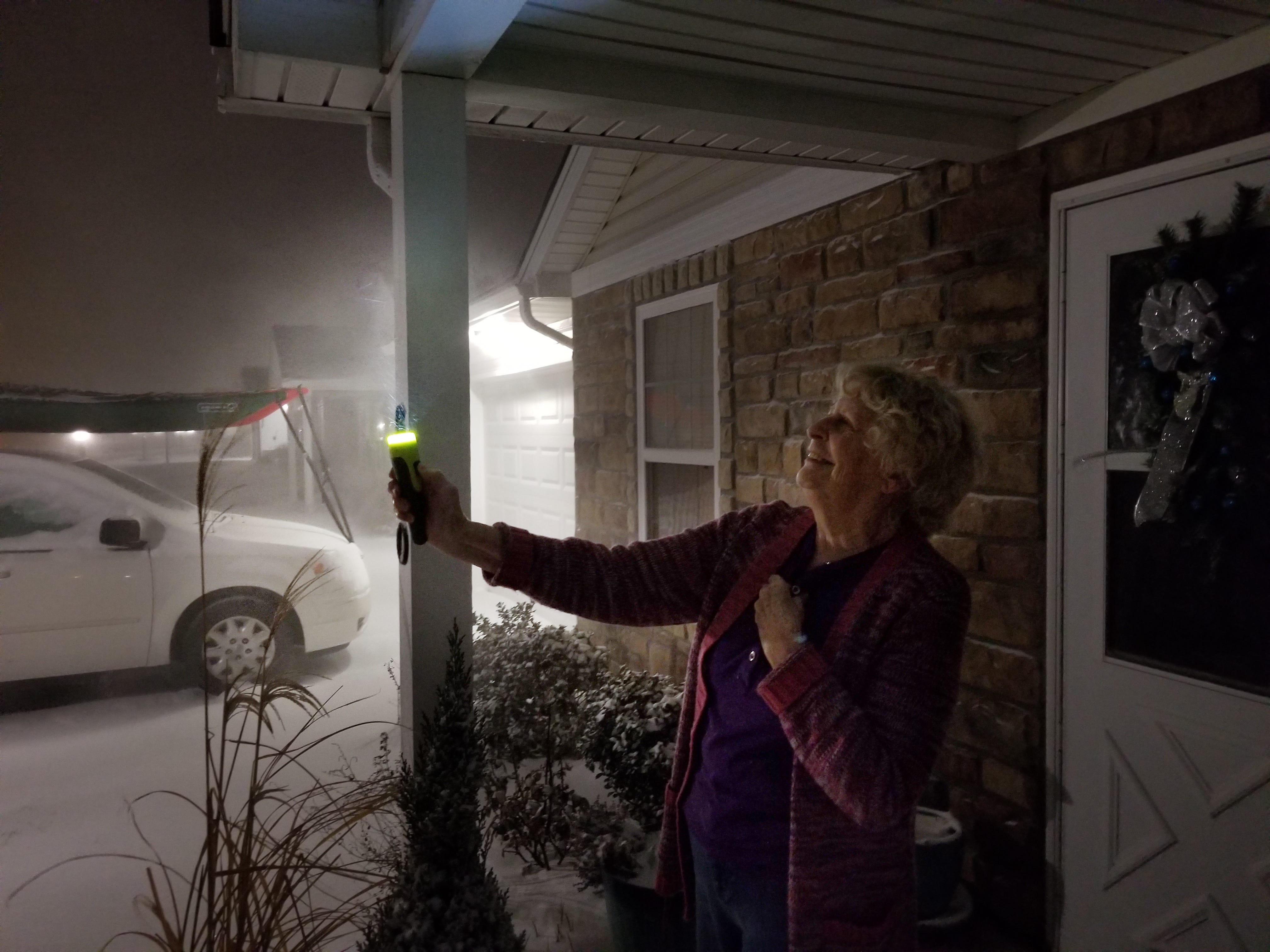
And she was full of surprises. One night, she grabbed me by the arm and pulled me across the yard at 10 pm. We snuck behind a large oak tree that stood on the boundary of our yard and the Dresbachs. No one really liked the Dresbachs, mostly because they were older and didn’t like kids. They didn’t like the noise or the fact that we took in injured animals like raccoons. When my Mom saw that their lights were turned off, she pulled a bar of soap from her pocket and pulled me along. And there we were, me at 13 and she nearly 40, using soap to write on their front living room window “Ned stinks and Betty cheats at cards!”
She found a sense of calm whenever she sat down at the piano and played. Like books, it was her place to lose the roles that had been tied around her so tightly, and have a moment where she could remember the creative spirit that still had a fire lit inside. When my Dad passed away in 2013, she treated herself to a Baby Grand piano. It was a luxury he never would have allowed her to buy. She bought it just as she was, for the very first time in her entire life, at the age of 74, about to live by herself, and it took up nearly her entire living room.
One day, I told her that when she passed, I wished I could have her piano. Not because it was a beautiful instrument, but because it carried so much of her energy. But I’m the “baby” of the family and often overlooked; someone else would claim it. She listened. During COVID, I spent every single day with her. She and I were quarantine buddies. I’d show up at her doorstep at 8 am and wouldn’t leave until 11 pm. And on one of those days, she grabbed me by the hand again and this time, pulled me out to the piano. She got down on her hands and knees and crawled underneath it. Took out a Sharpie and wrote “For Dakota” on the wood underneath. She looked up at me and said, “In case there’s ever any question, everyone will know this is yours.”
Just before she died, she gave me one of her prized possessions: a metal tin with Elvis Presley pressed into it. Inside, hundreds of dollars’ worth of postage stamps she knew she’d never use.
She knew the timing of her death before I did. She pressed that tin into my hands and said, “Don’t lose the art of writing love for others to find.”
I have used many of the stamps to write cards to my students, and even sometimes to random addresses of people I don’t know, just because that’s what my Mom would have done.
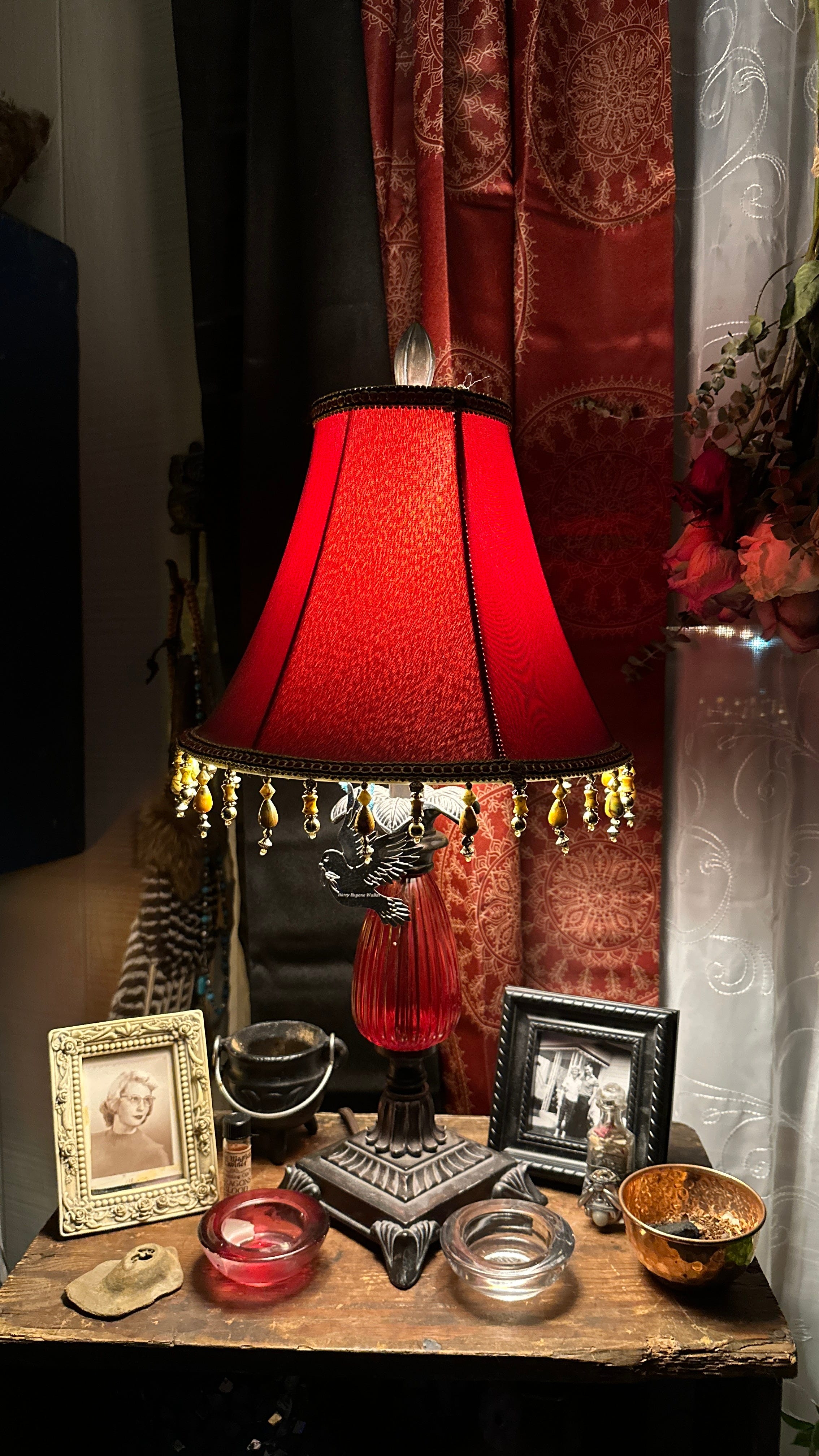
Sunday. That was the day she chose to die. We went to pick her up for our Sunday dinner, like we did every week. Her door was locked, the blinds closed, and something inside me knew. When we finally were able to “break into” her apartment, she was lying peacefully in her bed. She was dressed in her bright colors, lipstick on, and her Bible lying next to her. She may not have known when she was going to pass, but I believe she felt the fire inside her beginning to be snuffed out.
She knew it was her day. And she got dressed for the occasion.
I keep thinking about those stairs. How small we made ourselves just to hear her play. How she only let it out when she thought the room was empty. How much fire was in there that the world only got in moments when she didn’t know anyone was watching.
She deserved a full room. She deserved to play with the lights on, every door open, and people on their feet.
She deserved to take up every inch of the space she was in.
We all do.
Before she passed, she asked me to do her eulogy. We talked extensively about her death and the life she was still living before death came. We went to Build-a-Bear, and she picked a stuffed animal for each family member. She recorded a message for every single one of us, held that little tiny red heart they give to you and she’d close her eyes, whisper her love into it, and place it inside the stuffie before it was sewn up. I snuck past her while she bid her love to these bears and picked a rabbit for her, and recorded a message for her to listen to every night. I don’t have many regrets in life, but after she passed and I was packing to move to Maine, I found that rabbit still in its box; I had forgotten to give it to her. I cried for days.
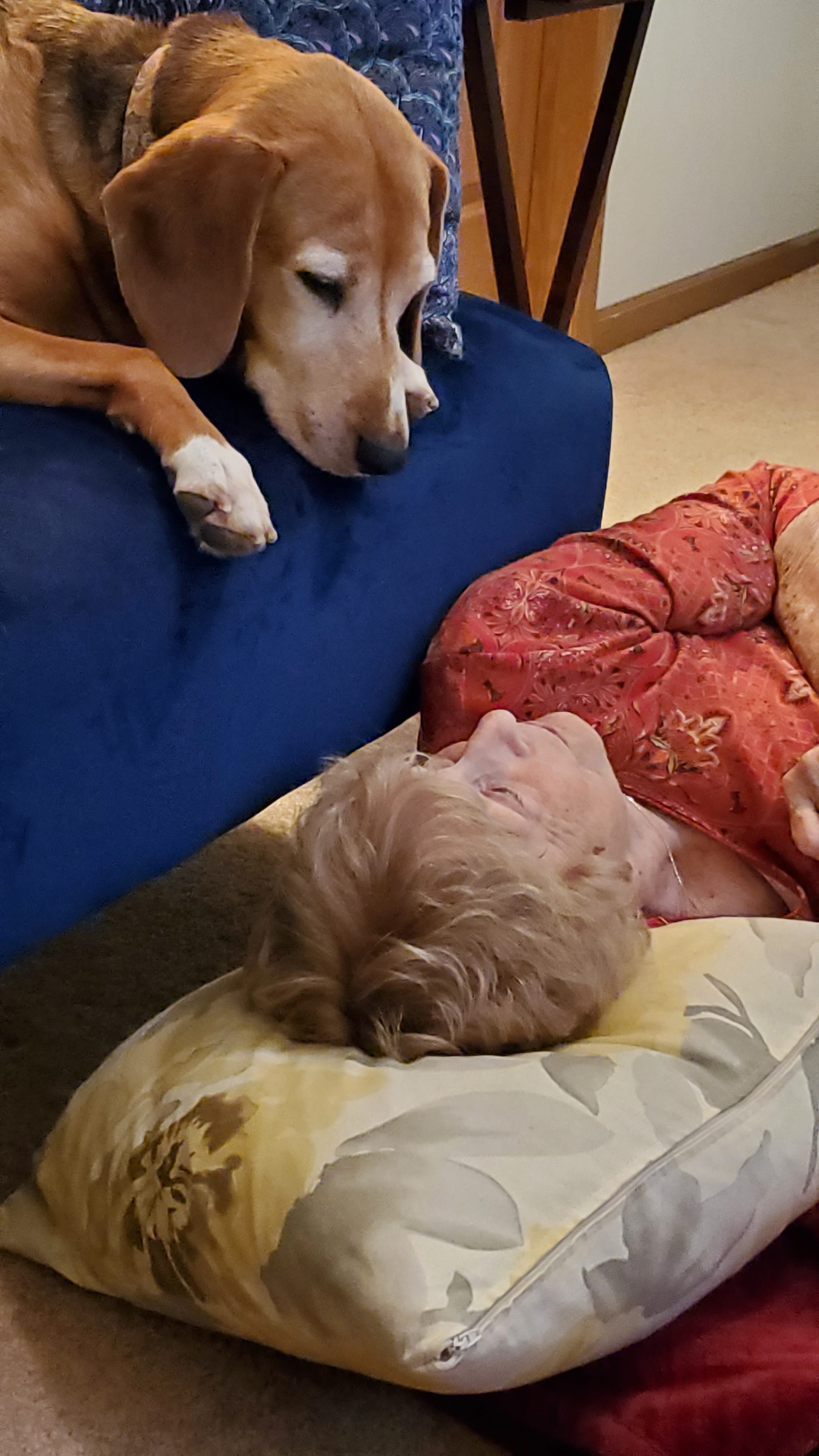
At her funeral, I stood in front of a church full of people who I don’t even think she realized loved her as much as they did. I wore her green sequin Converse tennis shoes and a coat that shimmered from every angle. She would have been so proud, and quite possibly jealous. And I got to tell people what a spunky, firecracker, energetic, lit-up soul my Mom was in this lifetime.
With all the Build-a-Bear boxes lined up in front of a hundred roses, gardenias, and black-eyed susans, we laughed, we cried, and we remembered who Dixie was beyond all the labels we each had for her.
I spent years claiming the label. I am my mother’s daughter. Every time I did something crazy and the rebel part of me came out, she’d tell me to “be careful” or “stop that,” and I’d smile and tell her sweetly, “I am my mother’s daughter.” A reminder to her that she was that same spitfire, and the world needs more spitfires to keep the fire alive.
I’ll carry that label all the way to the next lifetime, proudly, no question.
But she doesn’t need to be my mother to have mattered. She doesn’t need that label to have been extraordinary. She was extraordinary before I existed. Before Ohio. Before any man’s name. Before any role anyone pressed onto her.
At age 15, my mom did one more act of rebellion, just as she had dyed her hair green to get a rouse from her Mom, she changed her name to Dixie. No one knows why she chose Dixie, not even she. “Because it sounded like a cool name,” is what she would always tell us.
And for 67 years, she would not answer to anything less.
She was never Mrs. Walker.
She was never Isabelle Ryckman.
She was always, only, and completely —
Just Dixie.
Very nice tribute
What a wonder and unique tribute to your mom. She sounds like an amazing woman. I wish I could have met her. My mom wasn’t adventurous or daring, but she was very ornery and amazingly kind and caring to everyone ❤️